
Why Two Similar Homes Can Sell for Very Different Prices
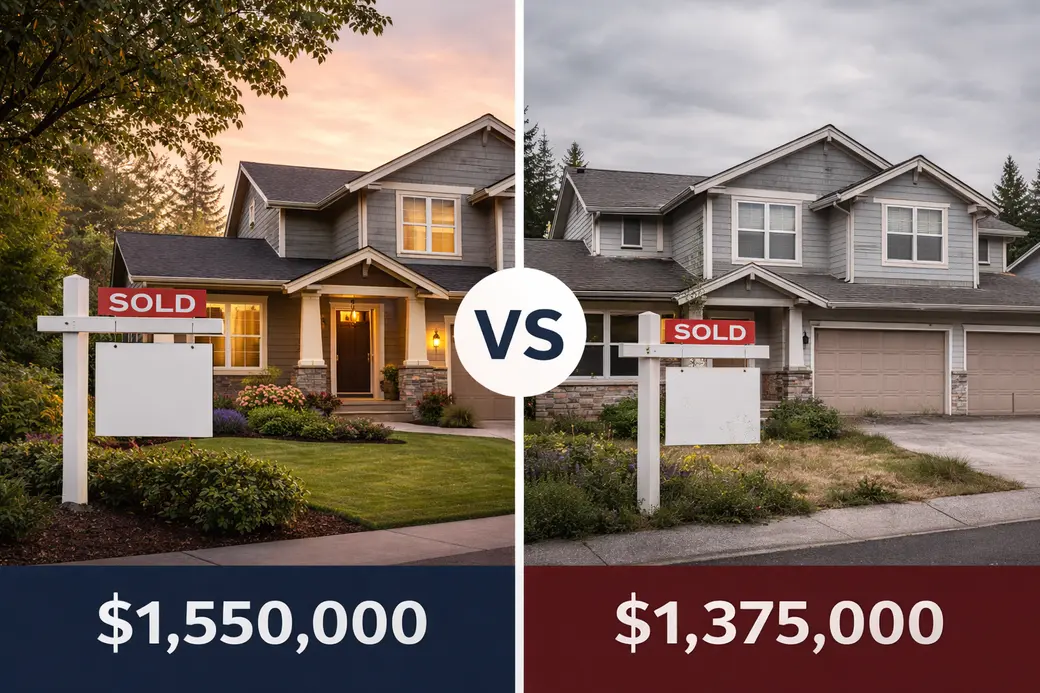
Few things are more frustrating than watching two seemingly similar homes sell for very different prices. Buyers wonder what they missed. Sellers question whether they left money on the table.
Price differences are rarely random. They’re usually the result of timing, condition, presentation, and psychology.
Timing Plays a Bigger Role Than Most People Expect
Market momentum can shift quickly. A home that launches just before a seasonal slowdown or during a burst of new listings may face more competition than one that came out weeks earlier.
Even subtle changes in buyer urgency can influence final sale prices.
Condition Often Beats Upgrades
Buyers tend to reward homes that feel cared for. A well-maintained property with fewer visible issues often outperforms a remodeled home with lingering maintenance concerns.
Fresh paint, working systems, and overall cleanliness can matter more than high-end finishes.
Layout and Livability Matter
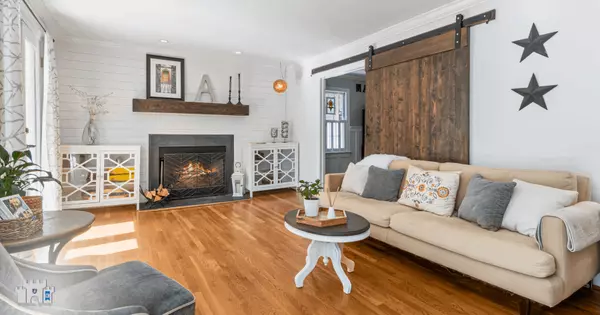
Two homes can share square footage but function very differently. Awkward layouts, dark interiors, or poor flow can limit appeal.
Homes that feel easy to live in tend to attract more interest, which influences pricing.
Pricing Strategy Shapes the Outcome
Homes priced accurately tend to attract more buyers early. That activity can create competition, sometimes pushing prices higher.
Overpriced homes often sit longer, which can lead to reductions and weaker negotiating positions.
Emotion and Perception Are Real Factors
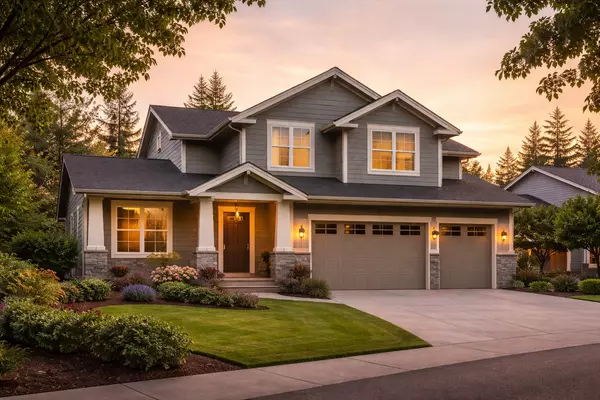
Buying isn’t purely logical. Natural light, curb appeal, and first impressions influence how buyers value a home.
Price is never just math. It’s context, timing, and human behavior combined.
If you want help understanding pricing dynamics in Northern California, we’re happy to help.
Categories
Recent Posts


GET MORE INFORMATION

Managing Broker | REALTOR License ID: 02080040
+1(925) 413-1849 | kenneth@jcastlegroup.com